

Citizenship through a grandparent
A Canadian grandparent used to be one generation too far away to help you. That is no longer true. If you were born before December 15, 2025, there is no limit on how far back your Canadian ancestor sits.
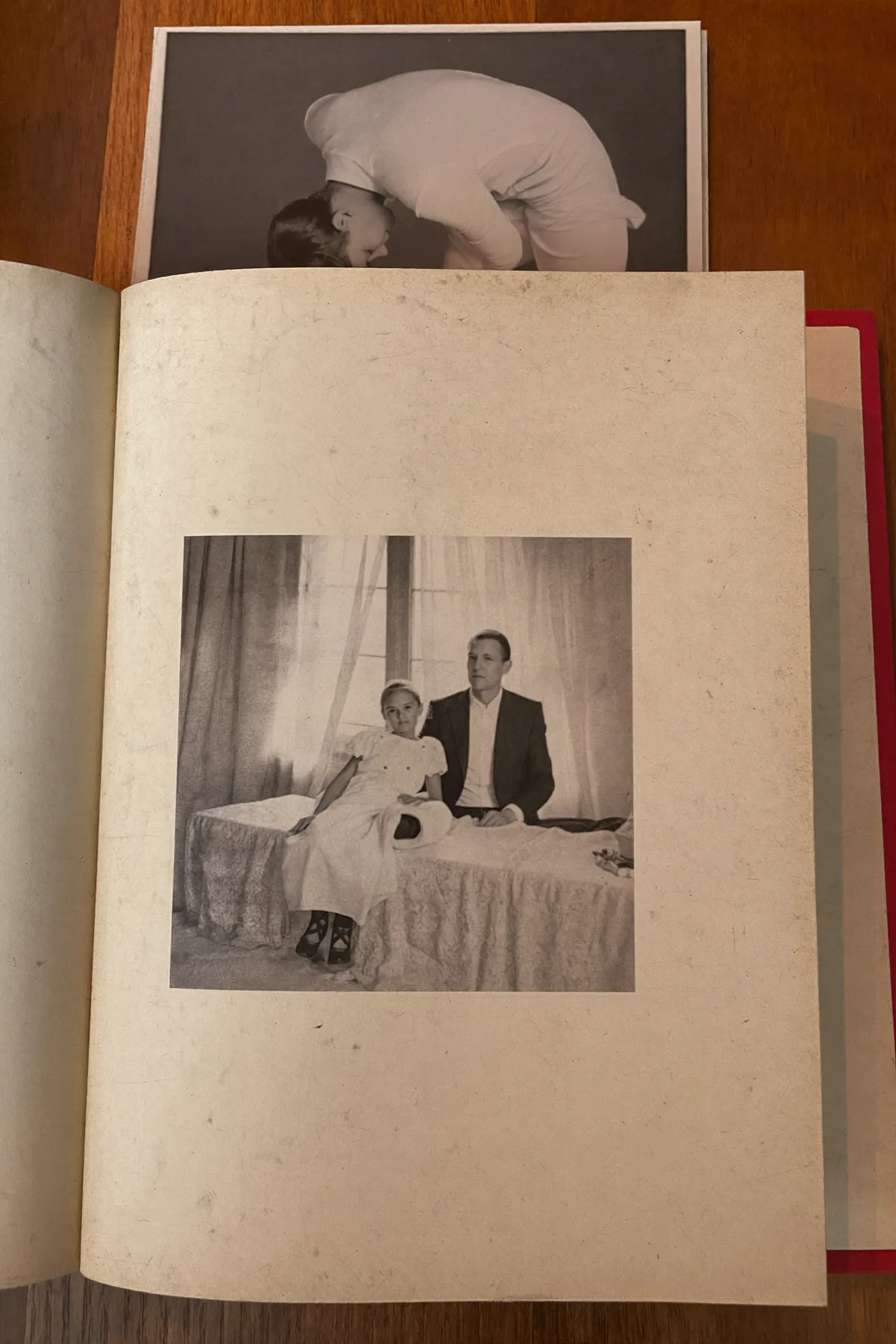
Which side of December 15, 2025 you were born on decides everything.
Bill C-3 did not simply open a door. It replaced one rule with two, and the date of your own birth settles which of them you are reading.
BORN BEFORE DECEMBER 15, 2025
There is no cap on the generations.
Your Canadian ancestor can be a grandparent, a great-grandparent, or further back still. How far back does not matter. What matters is that every person in the line was a citizen when the next child was born. The further back you go, the more you have to prove: a grandparent claim means documenting two links instead of one, and the oldest record is usually the hardest to find.
BORN ON OR AFTER DECEMBER 15, 2025
Your parent’s days decide it.
A Canadian grandparent is no longer enough on its own. Your Canadian parent needs 1,095 days of physical presence in Canada before your birth or adoption, counted cumulatively and in any order. One exception swallows a great many cases: if that parent was born or naturalized in Canada, the day count never applies to you at all.
A grandparent case is three documents deep, at least.
Every link has to be provable on paper. Two extra generations means two more sets of records, often held in two different countries and often filed under two different spellings of the same name.
01
Your grandparent
Proof that they were Canadian: a Canadian birth certificate, naturalization papers, or a citizenship certificate. Where none of those survive, census returns, military service files and archival records can stand in their place.
02
Your parent
A long-form birth certificate naming your grandparent, plus whatever accounts for a change of name between one document and the next. Marriage records usually do that work.
03
You
Your own long-form birth certificate and photo identification. This is the last link in the chain, and the whole application rests on it.
04
Anything further back
More links of exactly the same kind. A great-grandparent adds a row to this list rather than a new rule to the law.
When the paper does not survive
Grandparent cases stall on records far more often than on the law, and three rules account for most of it.
A marriage certificate or a divorce decree explains a change of family name and nothing else. Where a first name changed, or a name was rendered differently on arrival in a new country, the document that accounts for it has to be something else, and finding it is its own piece of work.
Where a record genuinely no longer exists, the file does not simply go in without it. IRCC asks for a written explanation of why it cannot be produced and evidence that it was sought, such as a letter from the registry confirming the loss. That is a search that has to be documented while it happens, not reconstructed afterwards.
And if your line runs through Quebec, one rule catches people out on its own. IRCC does not accept Quebec birth or marriage certificates issued before 1 January 1994, so a family can hold a certificate that looks entirely valid and is not. It has to be reissued through the province before it counts for anything.
Start with what you know.
The first conversation costs nothing. You do not need documents, or even firm dates. Tell us what you have and we will work out which rule reaches your family.