
Canadian citizenship
by descent
Could Bill C-3 make you a Canadian citizen?
Bill C-3
On 15 December 2025 the rules for citizenship by descent changed.
You may already be a citizen.
If you were born before that date, and that rule was the only thing stopping you.
You need 1,095 days in Canada.
If you are Canadian through a parent and your child is born or adopted abroad on or after that date.
How citizenship passes down a family
If you were born before 15 December 2025, it does not matter how many generations back your Canadian ancestor is.
Your claim traces back to one Canadian ancestor: someone born in Canada, or who moved there and became a citizen. However many generations sit between you and them, the old limit no longer cuts the claim off. What you have to prove is the connection itself, one link at a time.
- Great-great-grandparentBorn in Canada
- Great-grandparentBorn abroad
- GrandparentBorn abroad
- ParentBorn abroad
- YouBorn abroad
No generational cap.
From 2009, a Canadian parent born outside Canada could not pass citizenship to a child also born outside Canada. That child was simply not a citizen. For anyone born before 15 December 2025, the rule no longer applies.
Born on or after that date?
Then the rule changes. A child born or adopted abroad on or after that date inherits citizenship only if their Canadian parent has already spent 1,095 days in Canada, roughly three years. It does not apply if that parent was born in Canada.

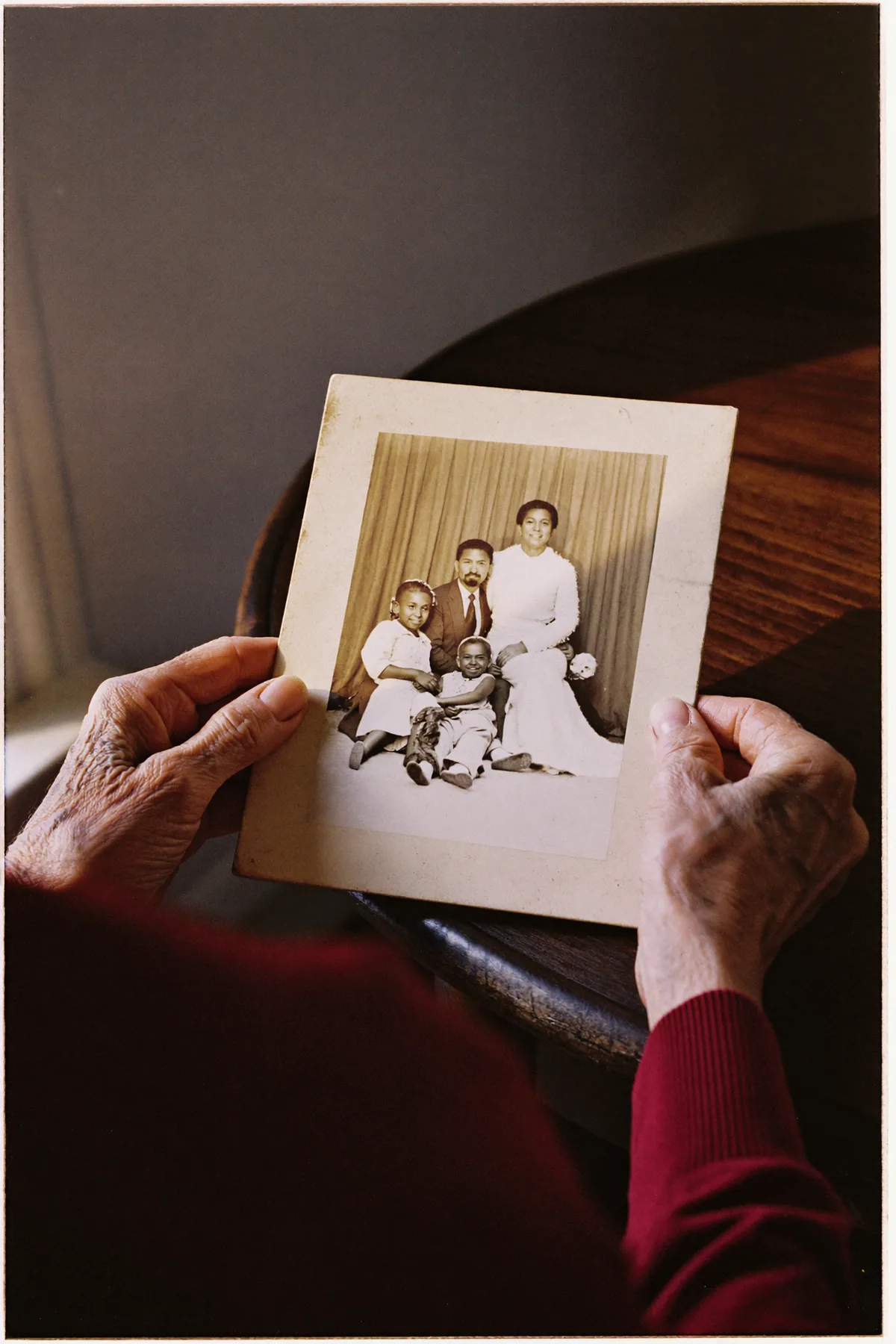
If your parent or grandparent was Canadian, the limit that blocked you is gone.
- What changed
- The first-generation limit
- What you apply for
- A citizenship certificate

If you lost your citizenship at 28, you did not do anything wrong.
- Who this is
- Born abroad after February 14, 1977
- What happens now
- Citizenship returns by law

If your child will be born outside Canada, your days in Canada decide it.
- The number
- 1,095 days
- When they count
- Any time before the birth
About us

Canadian Citizenship Hub is the citizenship-by-descent practice of Yarsa Immigration Services in Vancouver. Our professional team handles each case carefully and diligently, because in a descent claim a single date or a missing certificate can change the answer.
Mohammad Reza Asadi is a Regulated Canadian Immigration Consultant with more than 6 years in Canadian immigration, licensed by the College of Immigration and Citizenship Consultants. Before you decide whether to go ahead, we will explain what your claim needs and where it may be weak.
- Regulated
- Licensed and accountable to the College of Immigration and Citizenship Consultants.
- Specialized
- A single area of practice: Canadian citizenship by descent.
- Diligent
- Every date, name and record checked before anything is filed.
Our process
We work out which rule applies to you before we ask you to find a single document. Most delays happen because a file is submitted with a gap in it that nobody looked for first.
Initial assessment
We collect the key dates, family relationships, and Canadian citizenship details.
Legal framework review
We identify which framework may apply to you: the rules for births before December 15, 2025, or after it.
Evidence plan
We create a tailored list of records needed to prove identity, descent, and presence.
Application preparation
Forms and supporting documents are organized for completeness and consistency.
Submission and follow-up
We file with IRCC and stay with it: next steps, expected communications, and any document requests are explained clearly.
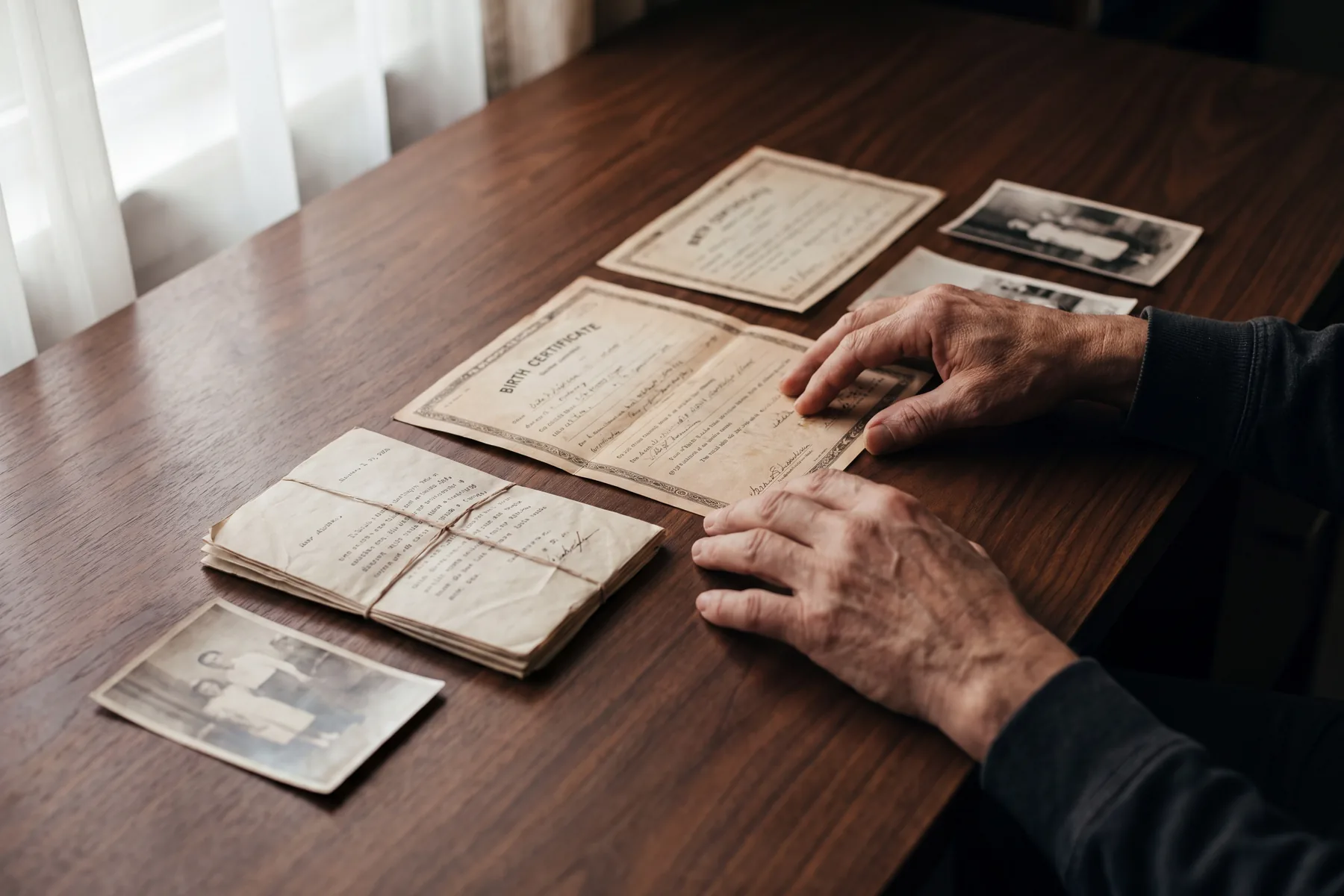

The exact checklist depends on your family. Every file is built from three kinds of proof.
The line
Birth certificates linking each generation, plus marriage or name-change records where names differ.
EVERY CASE
The status
A citizenship certificate, naturalization record or Canadian birth certificate.
EVERY CASE
The days
Travel history, tax records, pay statements and school records.
ONLY AFTER DEC 15, 2025
Contact us
Tell us the names, the rough dates, and where people were born. That is enough for us to say which rule applies to you. The first review costs nothing.